


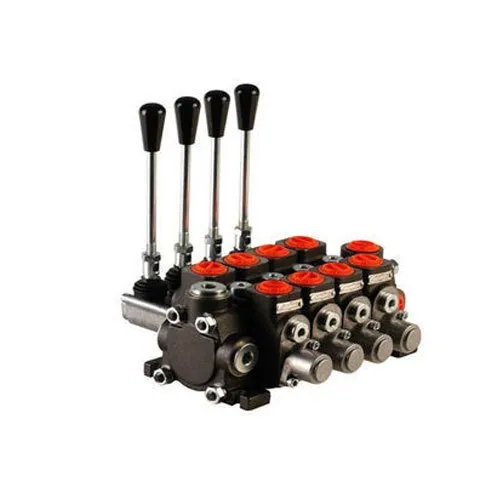
Hydraulic Mobile Control Valve
1850 INR/Piece
Product Details:
- Features Robust Construction, Compact Design, Corrosion Resistant
- Connectivity Type Threaded Port Connections
- Flow Rate 45 L/min
- Sealing Type Nitrile Rubber Seals
- Operating Pressure 250 Bar
- Temperature Range -20C to +80C
- Mounting Type Stack/Panel Mounted
- Click to view more
X
Hydraulic Mobile Control Valve Price And Quantity
- 5 Piece
- 1850 INR/Piece
- Powder Coated
- 2-6 Ports (Customizable)
- Manual Lever Operated
- 5.5 kg (Approx)
- Ergonomic Lever
- 1/2" BSP
- Hydraulic Oil
Hydraulic Mobile Control Valve Product Specifications
- Hydraulic
- Manual / Hydraulic
- Hydraulic Mobile Control Valve
- Black
- Stack/Panel Mounted
- High (Optimized for Mobile Equipment)
- Lever Kit, Dust Caps, Mounting Bolts
- Hydraulic Mobile Control Valve
- Mobile Hydraulic Machines, Construction Equipment, Tractors, Loaders
- 250 Bar
- Nitrile Rubber Seals
- -20C to +80C
- Hydraulic
- Up to 25 LPM
- Cast Iron
- Monoblock
- Robust Construction, Compact Design, Corrosion Resistant
- Threaded Port Connections
- 45 L/min
- Powder Coated
- 2-6 Ports (Customizable)
- Manual Lever Operated
- 5.5 kg (Approx)
- Ergonomic Lever
- 1/2" BSP
- Hydraulic Oil
Hydraulic Mobile Control Valve Trade Information
- 7 Days
Product Description
A hydraulic mobile control valve is a crucial component in hydraulic systems used in mobile machinery, such as construction equipment, agricultural machinery, and other vehicles. It plays a key role in controlling the flow of hydraulic fluid to different actuators (such as cylinders or hydraulic motors) to manage the movement and functions of the machine.
Here are some key aspects and functions of hydraulic mobile control valves:
1. Control of Hydraulic Fluid Flow: Hydraulic valves regulate the flow of hydraulic fluid within the system. This is crucial for controlling the speed and direction of hydraulic actuators.
2. Directional Control: Mobile control valves typically include multiple sections or spools that can be shifted to control the direction of fluid flow. This is essential for controlling the movement of hydraulic cylinders or motors.
3. Functionality: Mobile control valves may have different sections or banks, each dedicated to a specific function or hydraulic circuit. For example, a valve may control the lift and tilt of a loader bucket on a construction machine.
4. Joystick or Lever Control: Many mobile control valves are operated using joysticks, levers, or other manual controls. These controls allow the equipment operator to precisely manage the machines movements.
5. Proportional Control: Some advanced hydraulic mobile control valves offer proportional control, allowing for precise and variable control of fluid flow. This is especially important for applications that require fine-tuned movements.
6. Load Sensing: In certain applications, load-sensing valves are used to optimize hydraulic system efficiency by adjusting the flow and pressure based on the load requirements. This helps in conserving energy and improving overall performance.
7. Pressure Relief: Hydraulic systems include pressure relief valves to protect the system from overpressure conditions. Mobile control valves may incorporate these safety features to prevent damage to the system.
8. Modularity: Mobile control valves are often designed with modularity in mind, allowing manufacturers to customize the valve configuration based on the specific needs of the equipment.
9. Compatibility: These valves need to be compatible with other hydraulic components in the system, such as pumps, cylinders, and motors.
10. Durability and Environmental Resistance: Mobile control valves are designed to withstand the harsh operating conditions commonly encountered in mobile machinery, including exposure to dust, moisture, and vibration.
Customizable for Diverse Applications
Adapt your hydraulic systems seamlessly with our valves flexible port configurationschoose from 2 to 6 ports to match your machinerys precise requirements. The modular monoblock design supports rapid, simple installation and ensures compatibility across a wide range of mobile hydraulic machines and construction equipment.
Engineered for Robust Performance
Crafted from durable cast iron and finished with a corrosion-resistant powder coating, this control valve thrives in harsh work environments. Ergonomic manual levers, efficient sealing, and operating tolerance from -20C to +80C guarantee reliable performance, long service life, and minimal maintenance on the job site.
FAQs of Hydraulic Mobile Control Valve:
Q: How does the manual lever ensure precise hydraulic control in this valve?
A: The ergonomic lever provides direct, responsive operation, allowing smooth modulation and accurate control of hydraulic oil flow through the valve. This enables operators to precisely control machinery functions, improving efficiency and safety during operation.Q: What types of mobile equipment are compatible with this hydraulic control valve?
A: This control valve is specifically designed for use in mobile hydraulic machines such as construction equipment, tractors, loaders, and other machinery requiring reliable fluid control in demanding work environments.Q: When should I choose a multi-port valve configuration over a standard two-port valve?
A: Select a multi-port (up to 6 ports) configuration when your application requires controlling multiple hydraulic circuits from a single point, enhancing operational versatility and reducing the need for additional valves or complex plumbing.Q: Where can the hydraulic mobile control valve be mounted?
A: The valve can be conveniently mounted using either stack or panel options, offering flexible installation to suit various machinery layouts and simplify integration within different hydraulic systems.Q: What is the installation process for this control valve?
A: Installation involves securing the valve onto the designated mounting surface using the provided bolts, connecting the hydraulic lines to the threaded 1/2" BSP ports, and attaching the lever kit and dust caps for complete assembly and protection.Q: What are the benefits of the powder coated surface and cast iron construction?
A: The powder coated finish adds excellent resistance to corrosion and environmental wear, while the cast iron body ensures structural durability, making the valve reliable for heavy-duty use and extending its operational lifespan.Q: How does the nitrile rubber sealing enhance valve performance?
A: Nitrile rubber seals provide strong, leak-proof connections essential for withstanding high pressures (up to 250 Bar) and maintaining consistent hydraulic fluid performance, ultimately boosting system efficiency and minimizing maintenance requirements.Tell us about your requirement

Price:
Quantity
Select Unit
- 50
- 100
- 200
- 250
- 500
- 1000+
Additional detail
Mobile number
Email


Contact Details

- Plot No. 433, GIDC, Odhav, Opp. Bhikshuk Gruh,Ahmedabad - 382415, Gujarat, India
- Phone : 08045478557
GST : 24AACFJ2116Q1ZD

- Mr Alkesh Sanghani (Assistant Director)
- Mobile : 08045478557
- im@jacktechhyd.com
 Send Inquiry
|


 Send Inquiry
 Send SMS
 Call Me Free
JACKTECH HYDRAULICS
All Rights Reserved.(Terms of Use)
Developed and Managed by Infocom Network Private Limited.
Developed and Managed by Infocom Network Private Limited.

